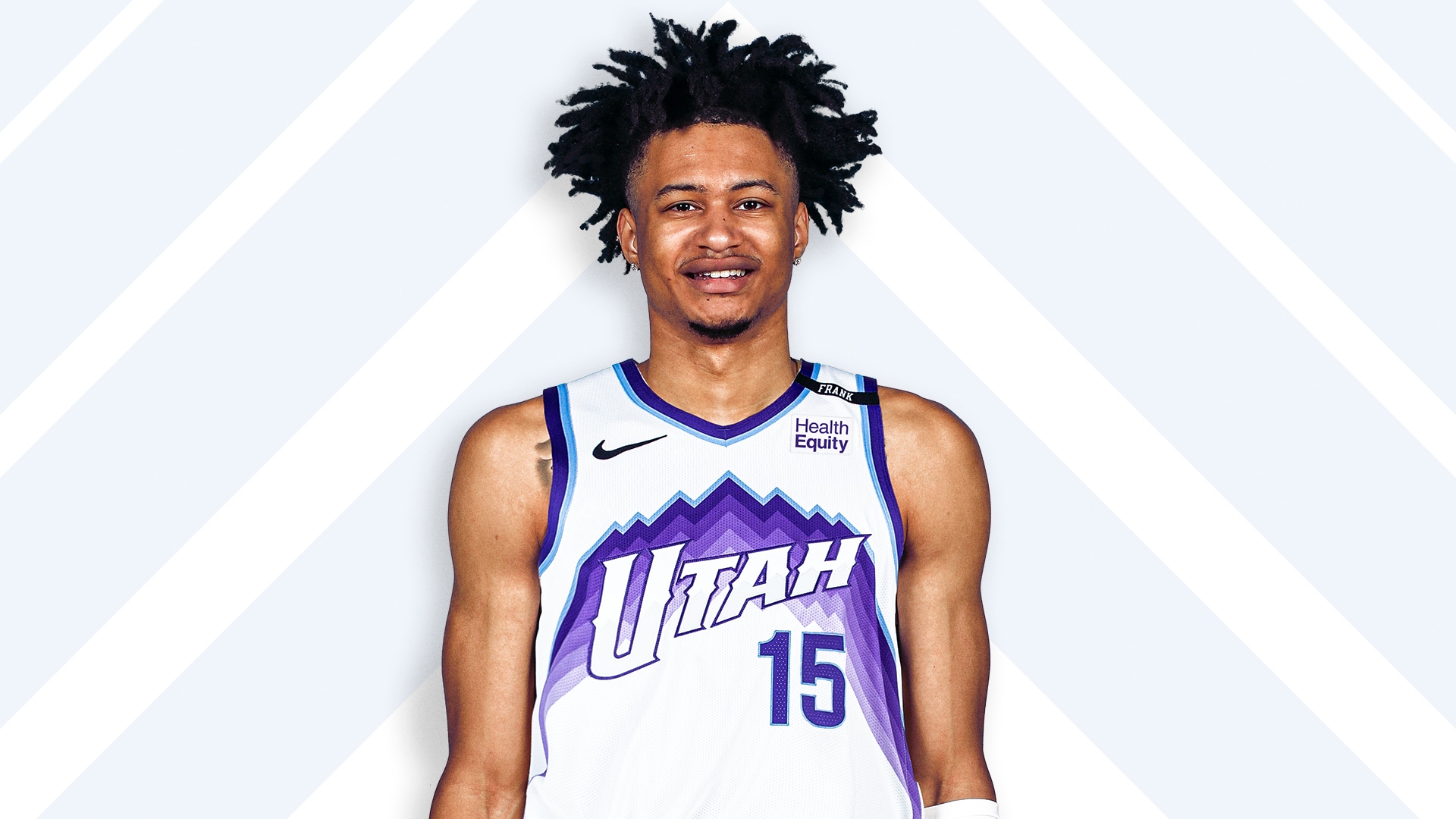
The Utah Jazz announced today that they have signed forward Trey Alexander to a two-way contract. The deal, posted on the team's official website earlier this week, adds a fourth player who can move between the NBA roster and the Jazz’s G League affiliate. Alexander’s addition expands the club’s bench options and provides additional depth at the wing, a position where the Jazz have been seeking more versatility.
Two-way contracts allow a player to spend part of the season with the NBA club and the remainder with its G League team. For the Jazz, the arrangement offers roster flexibility without committing a full-time roster spot, giving the front office a low-risk avenue to evaluate Alexander in both practice and game situations. Because the contract does not count against the active-player limit, the club can retain a broader pool of talent ready to step in when needed.
Alexander brings a versatile skill set that fits the Jazz’s emphasis on spacing and defensive adaptability. His ability to guard multiple positions and finish at the rim aligns with the team’s fast-paced, perimeter-oriented offense, while his willingness to shoot from distance adds another option for the coaching staff. The forward’s blend of size and mobility gives head coach Will Hardy a plug-and-play piece that can be inserted into lineups with minimal disruption.
The signing also reflects Utah’s continued use of two-way deals as a strategic tool. In recent seasons the Jazz have leaned on the G League as a proving ground, allowing players to develop under the organization’s system before earning larger roles. By adding Alexander, the franchise reinforces its commitment to cultivating talent internally rather than pursuing high-cost free-agent signings, a philosophy that has helped maintain cap flexibility.
Looking ahead, Alexander is expected to report to the Jazz’s G League squad at the start of the season. He can be called up at any time should the NBA roster require additional wing depth, particularly during stretches when injuries test the bench. If he makes the most of the limited NBA minutes he receives, the two-way contract could serve as a stepping stone toward a standard NBA deal before the season ends.
 Utah Jazz