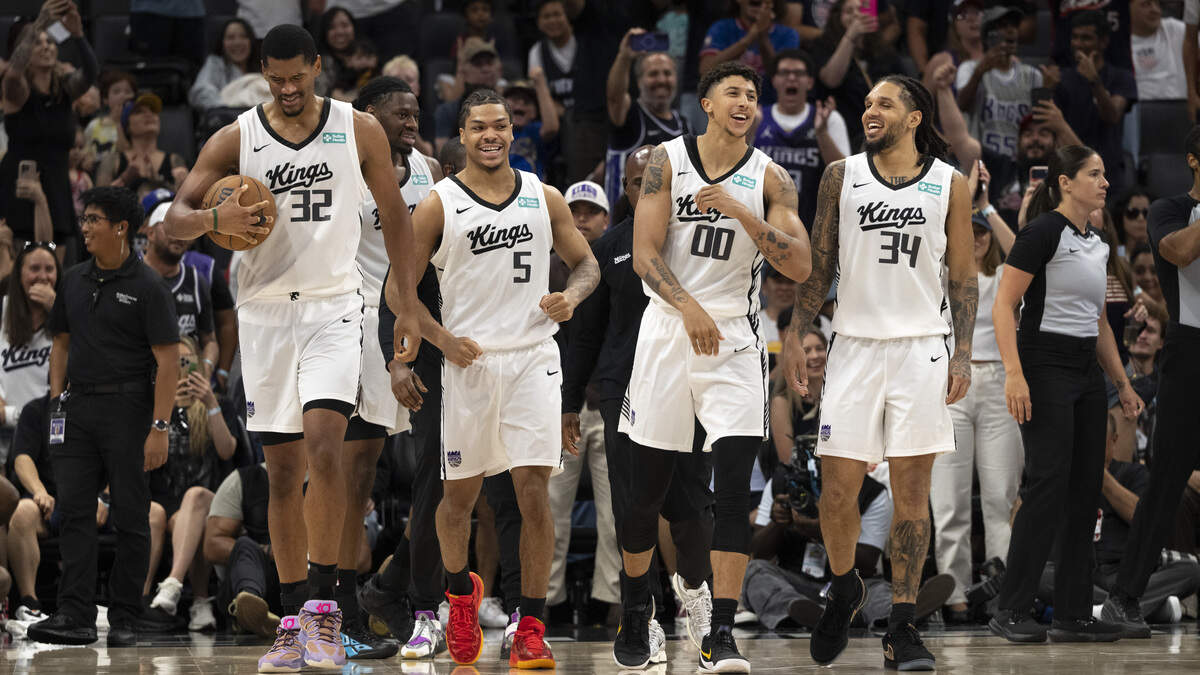
Russell Westbrook entered the 2025-26 season on a one-year contract with the Sacramento Kings after declining his player option with the Denver Nuggets and spending the offseason unsigned. He signed the deal just a week before the season began, becoming the only team willing to offer him a contract.
In Sacramento, Westbrook served as a veteran presence, mentoring a young core and providing the high-energy intensity that has defined his career. The veteran-minimum deal reflected limited market interest, but his experience helped stabilize a roster still finding its identity.
The Kings’ roster is built around a youthful backcourt that emphasizes spacing and three-point shooting, a scheme that does not naturally accommodate Westbrook’s aggressive pick-and-roll and ball-dominant style. While his ability to push the tempo can be valuable, the front office appears focused on developing younger players who fit the modern pace-and-space identity, making Westbrook a potential mismatch.
NBA insider Jake Fischer said, "I really don't have a home for him right now. I don't believe Sacramento wants him back. I don't think he wants to go back there. I don't know where Russ could go at this point here." Fischer also noted that the Washington Wizards were a possible destination early in free agency, but he now believes a reunion is off the table, further narrowing Westbrook’s options.
The free-agency clock opens later this summer, and the Kings must decide whether to retain his rights or let him walk. If the franchise parts ways, Westbrook will need to secure a new contract before training camp, or risk entering the upcoming season without a roster spot. His window to remain in the league is shrinking as teams prioritize versatility and youth over pure athleticism.
Westbrook’s situation reflects a broader trend of teams moving on from high-profile veterans after short stints. While his departures from the Los Angeles Lakers and Denver Nuggets were abrupt, the Kings appear ready to look elsewhere, leaving the former MVP to navigate an increasingly competitive free-agency market.