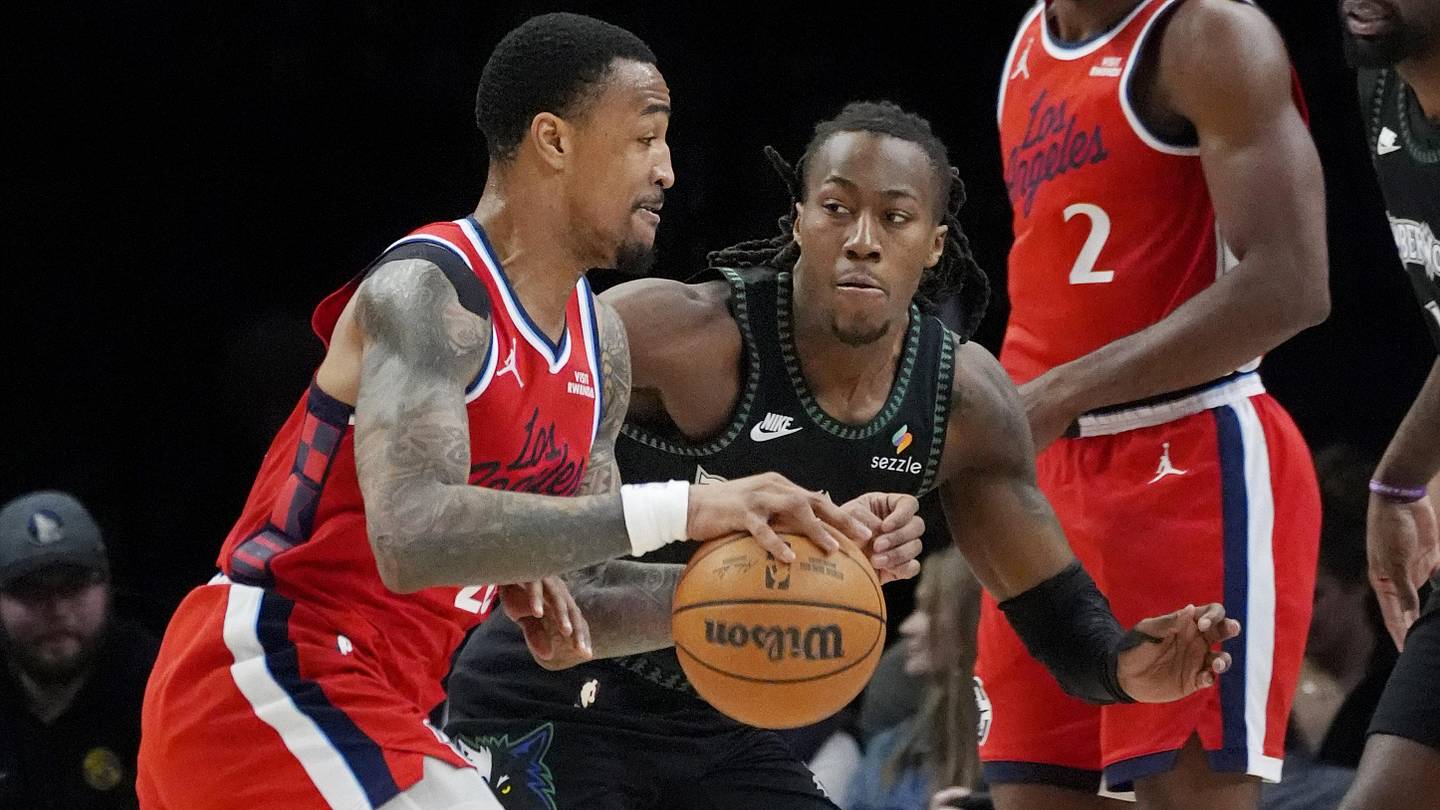
The Minnesota Timberwolves have emerged as one of the few clubs reportedly weighing a move for LeBron James. The notion of a small-market team courting a player of James’ stature creates a buzz that stretches beyond Minnesota’s fan base and forces the league to reconsider the scope of its veteran market.
Adding a player who has spent a long career shaping the modern NBA would dramatically alter the dynamic of a roster built around rising star Anthony Edwards. James’ reputation for reading defenses, facilitating offense, and delivering clutch performances could complement Edwards’ scoring drive and open opportunities for other young wings to thrive. The presence of a seasoned playmaker would also give the team a secondary scoring option that could relieve pressure on the franchise’s developing talent.
From a roster-building perspective, any move to bring James to Minnesota would require careful navigation of the salary-cap landscape. The Wolves already carry contracts that limit flexibility, so integrating a high-profile veteran would demand creative structuring, whether through a trade package, a direct free-agency agreement, or other mechanisms that preserve future assets. The front office would need to balance immediate impact with the long-term health of the roster, ensuring that the addition does not compromise the ability to retain core pieces.
The interest aligns with General Manager Tim Connelly’s historical approach of blending seasoned talent with home-grown prospects. In past seasons, Connelly has pursued veterans who can mentor younger players while contributing on the court, signaling a willingness to accelerate the team’s competitive timeline through strategic acquisitions. This pattern suggests that the organization views veteran leadership as a catalyst for growth rather than a short-term fix.
Should the Timberwolves ultimately decide against a formal offer, the very discussion underscores a shift in how small-market franchises view their ceiling. It challenges analysts and fans alike to weigh the risks of a bold veteran addition against the potential payoff of a deeper playoff run, and it hints at an evolving arms race among Western Conference teams as free agency looms.

 Minnesota Timberwolves