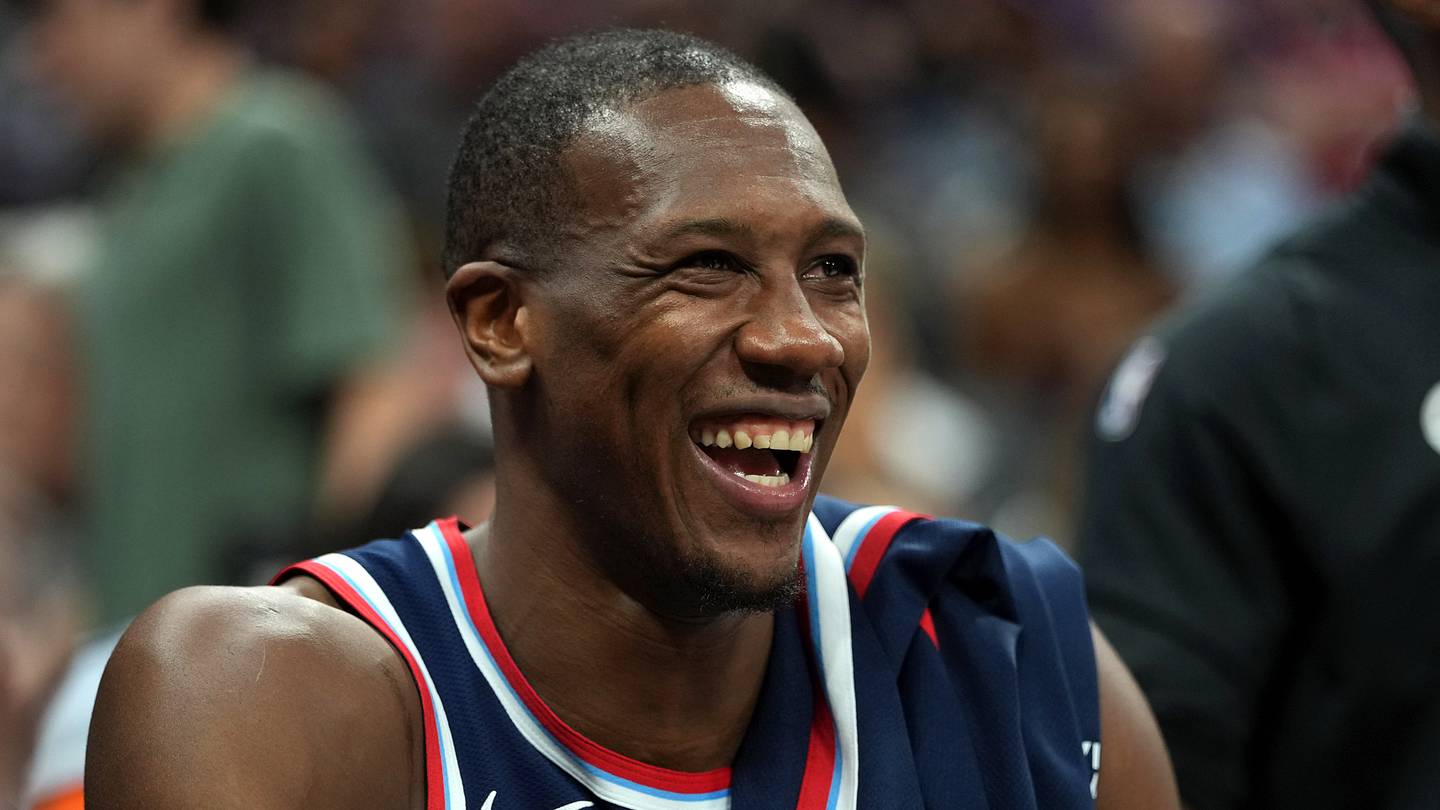
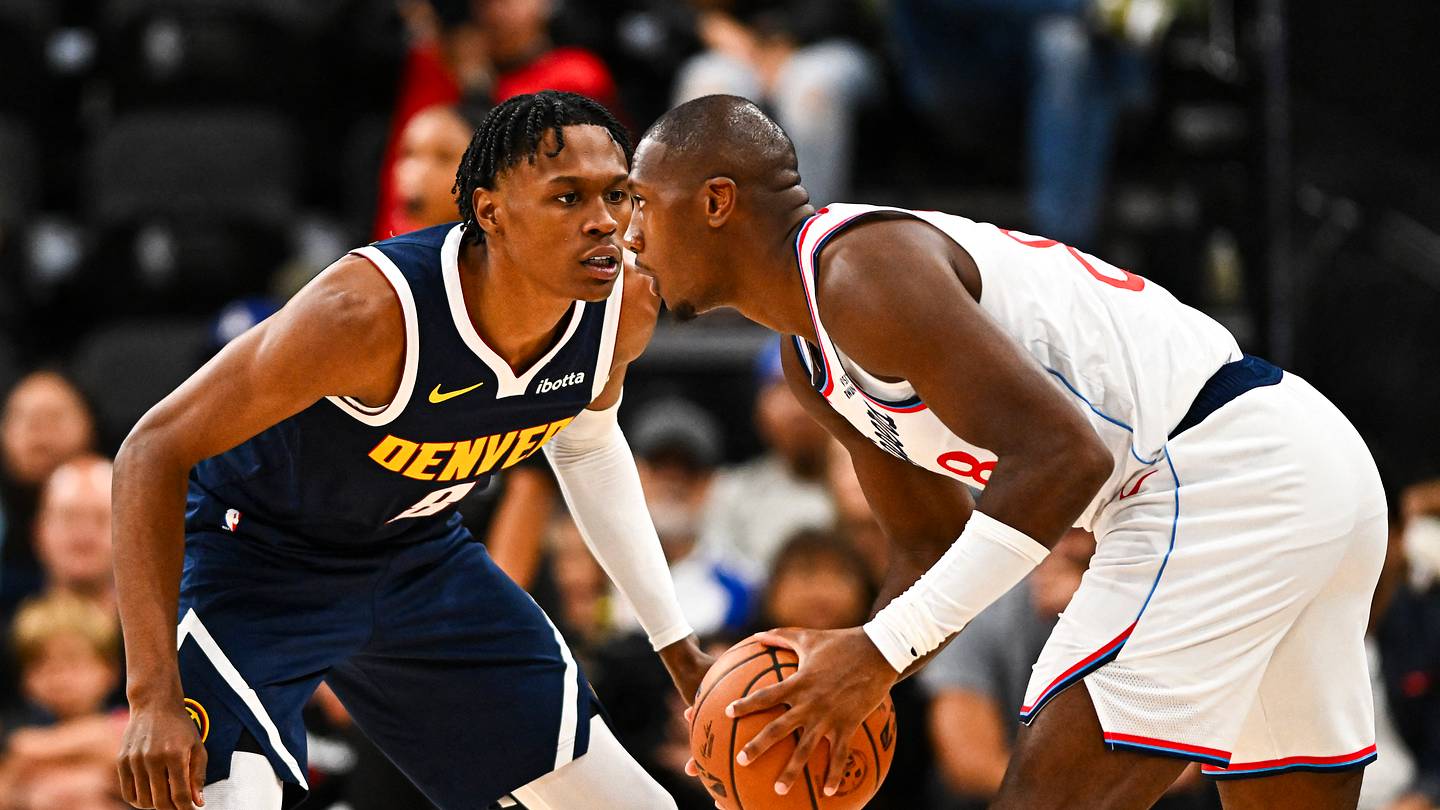
The Los Angeles Lakers turned down a sign-and-trade proposal from the Los Angeles Clippers that centered on forward Rui Hachimura. The front office described the overture as disrespectful and walked away without further discussion. The decision underscores a clear boundary between the two Southern California franchises regarding the exchange of assets.

A sign-and-trade in the NBA is a mechanism that allows a player to be moved to another team while simultaneously signing a new contract that satisfies both clubs' salary-cap requirements. For a deal to be completed, each side must match incoming and outgoing salaries and agree on the exchange of draft picks or other considerations. Because the structure is governed by the collective bargaining agreement, teams must align on timing, contract language, and future asset allocation before a trade can be finalized.
The Lakers’ refusal signals a preference for maintaining roster flexibility rather than absorbing additional pieces that could limit future moves. In recent seasons the organization has been cautious about mortgaging draft capital for short-term upgrades, opting instead to preserve cap space for potential free-agent signings and to develop talent already on the roster. By rejecting the Clippers’ package, the Lakers reaffirmed that philosophy and avoided committing to a transaction that might have required a reshuffle of minutes and roles.
Conversely, the Clippers have demonstrated a willingness to engage in aggressive roster construction, often leveraging their cap space to acquire contracts and assets that fit their competitive timeline. The rejected proposal suggests that the Clippers were prepared to part with a veteran and a future draft selection in order to move Hachimura’s contract and gain immediate depth. The denial forces the Clippers to revisit their trade strategy and consider alternative targets or internal development paths.
Looking ahead, the Lakers are likely to explore other avenues to bolster forward depth before the trade deadline. Options may include signing a veteran on a short-term deal or adding a two-way contract that does not impede long-term flexibility. The Clippers, having shown a readiness to trade assets, will probably turn their attention to other potential partners or double down on home-grown players to fill roster needs. Both clubs will continue to navigate the league’s moratorium period, which governs timing for any subsequent transactions.
The episode adds another chapter to the growing rivalry between the two Los Angeles teams. While the Clippers pursued a bold move, the Lakers’ measured response highlights divergent approaches to building a championship contender. The fallout from the rejected sign-and-trade will shape each franchise’s strategy as they fine-tune their rosters for the upcoming season.

 LA Clippers